This section does not repeat the detailed description of our work. It presents selected completed projects, figures and small thematic photo collections showing our practical activities.
Five weeks alongside people freezing outdoors. Rescue and social assistance for people experiencing homelessness, 2017
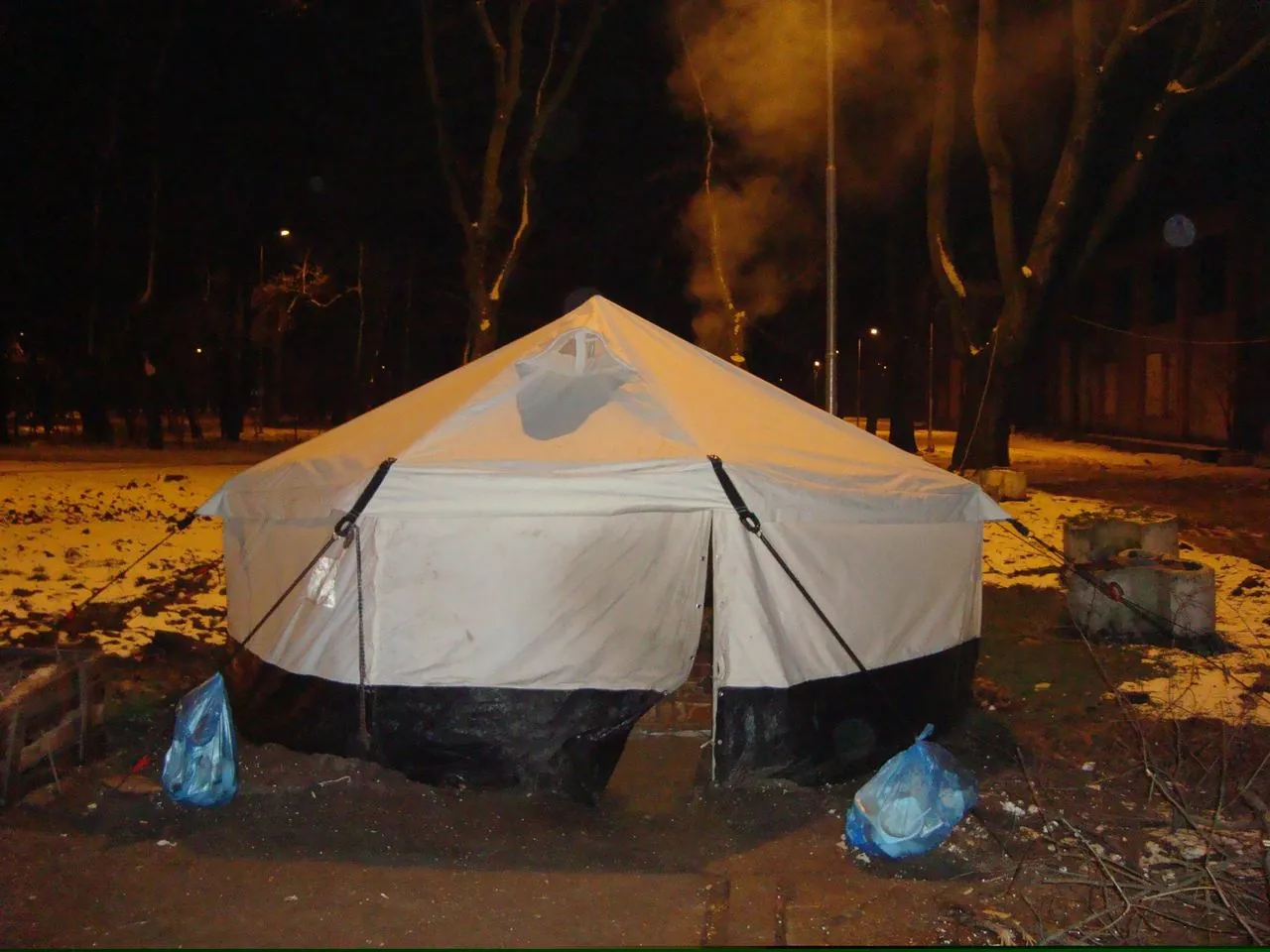
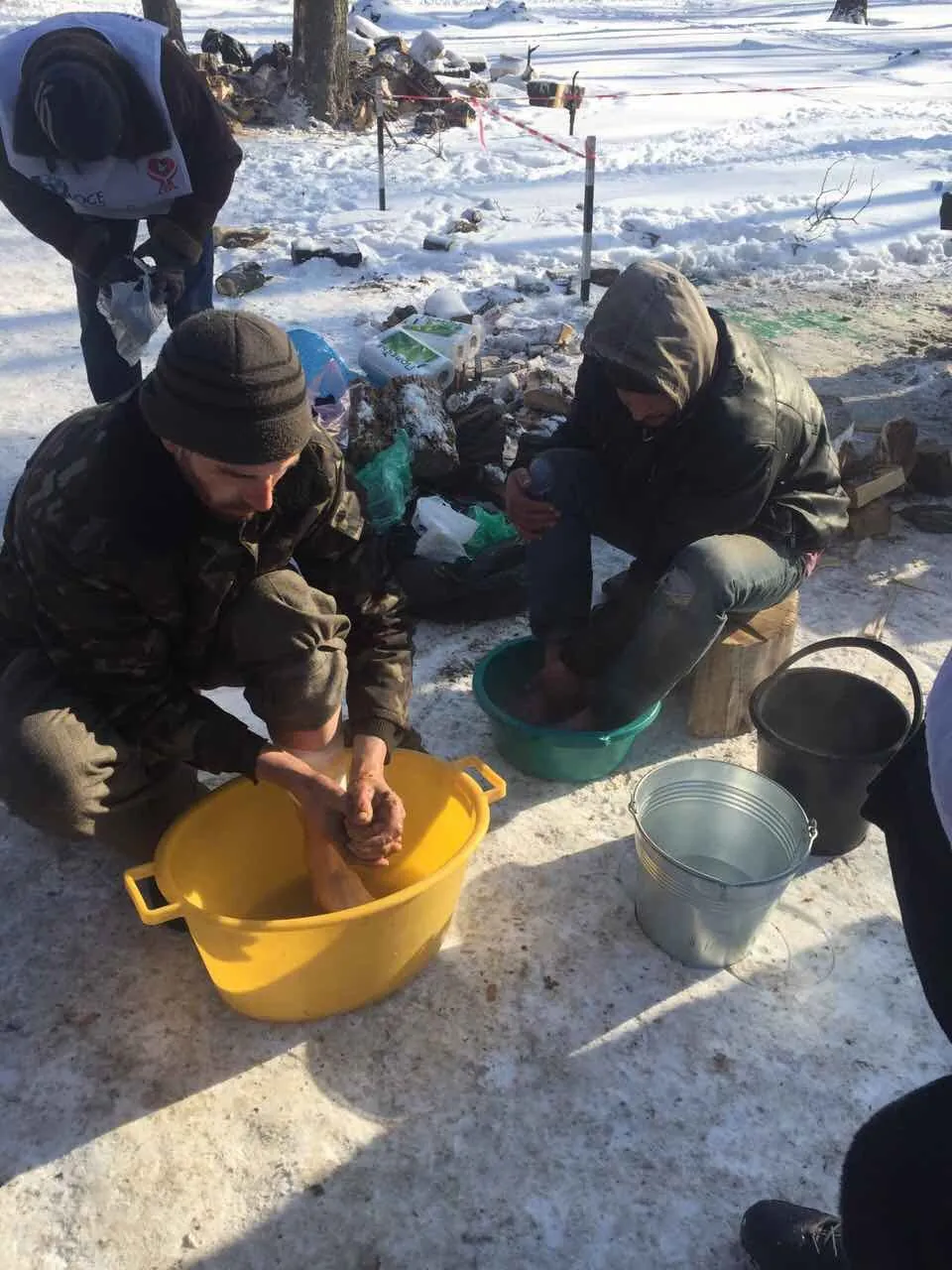
During one particularly harsh winter period, we set up a heated tent in a park for people experiencing homelessness who had nowhere to go in freezing weather. In practice, this was both rescue and social work aimed at protecting the lives and health of people exposed to severe cold on the streets.
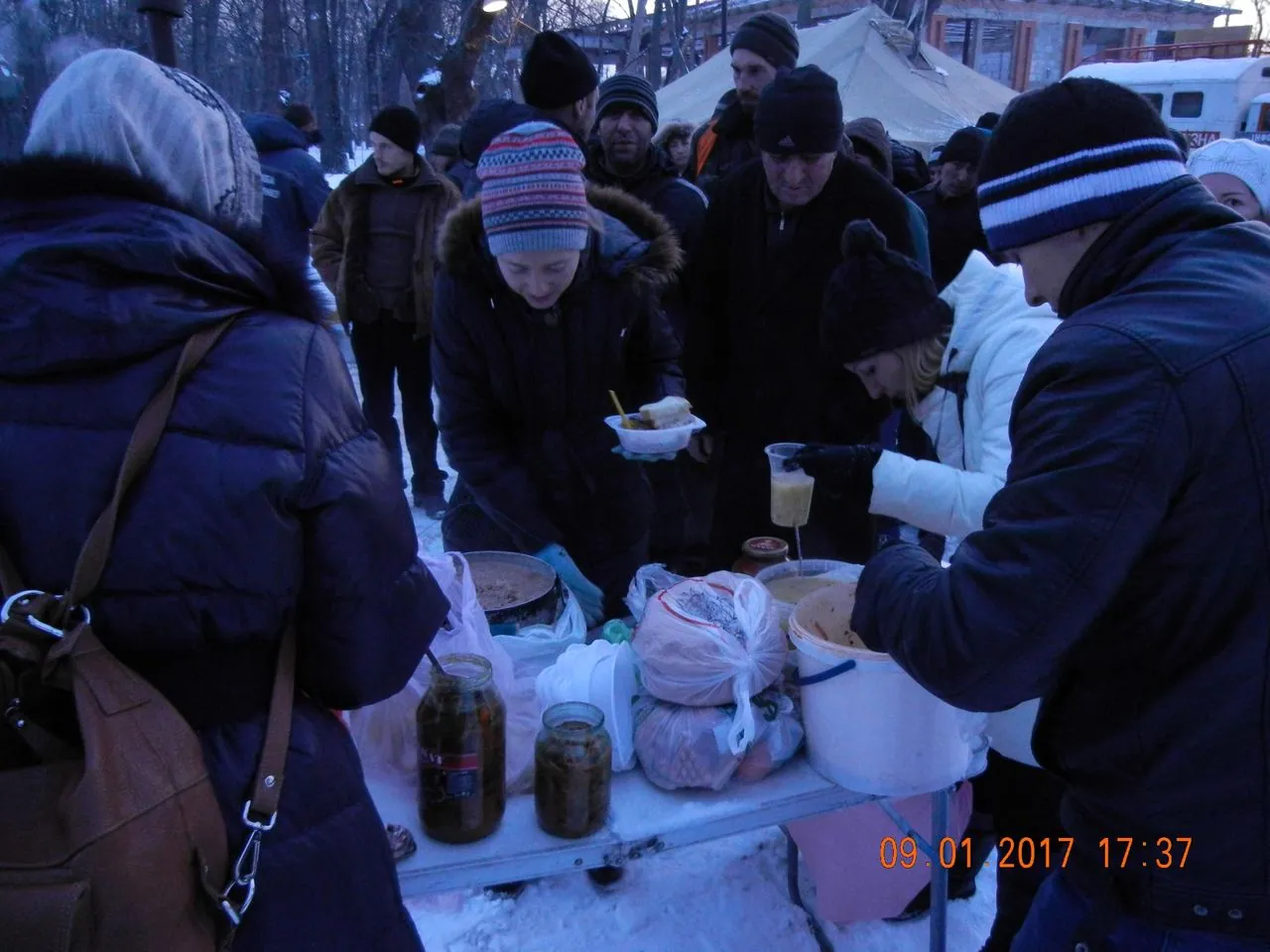
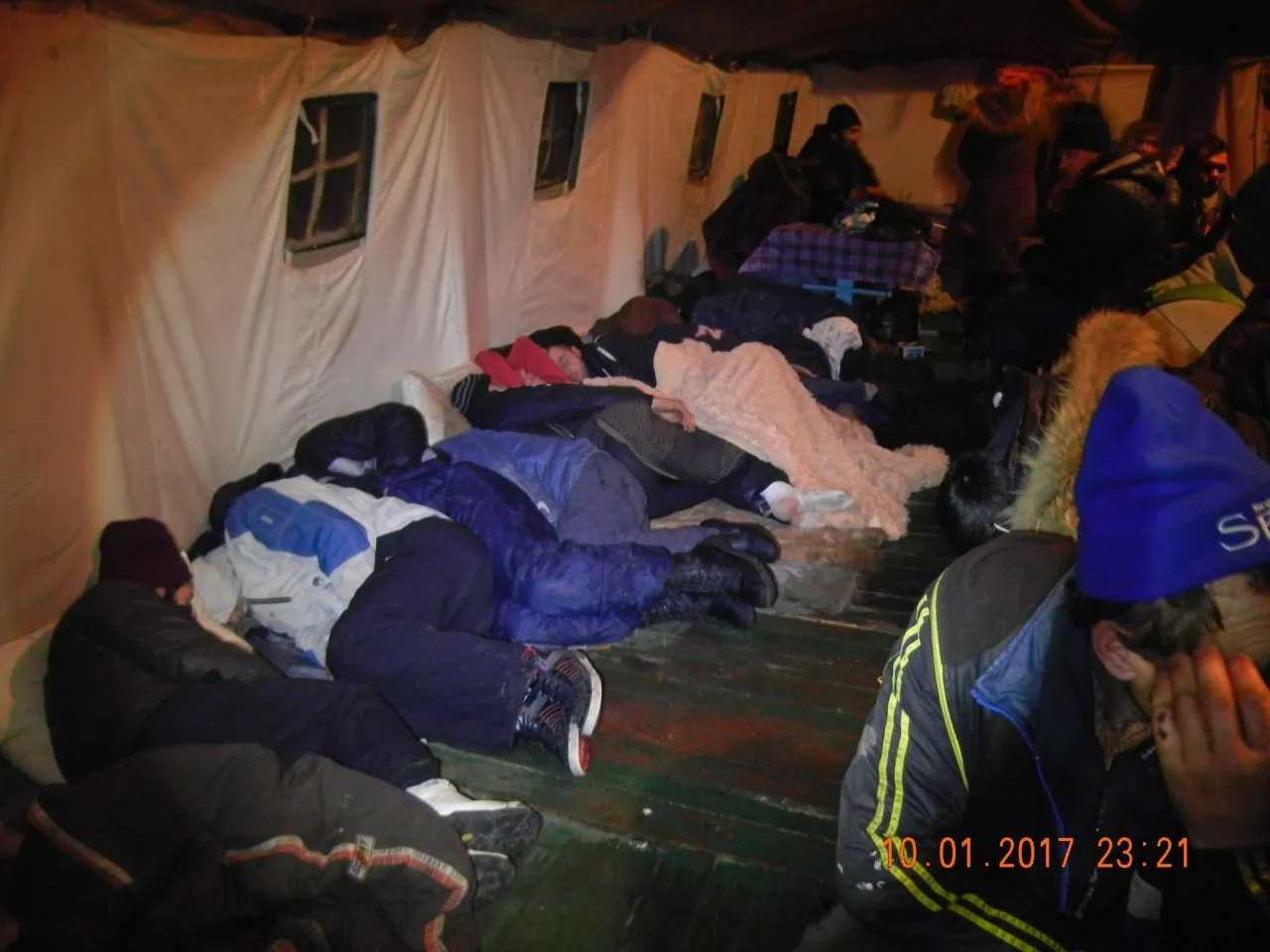
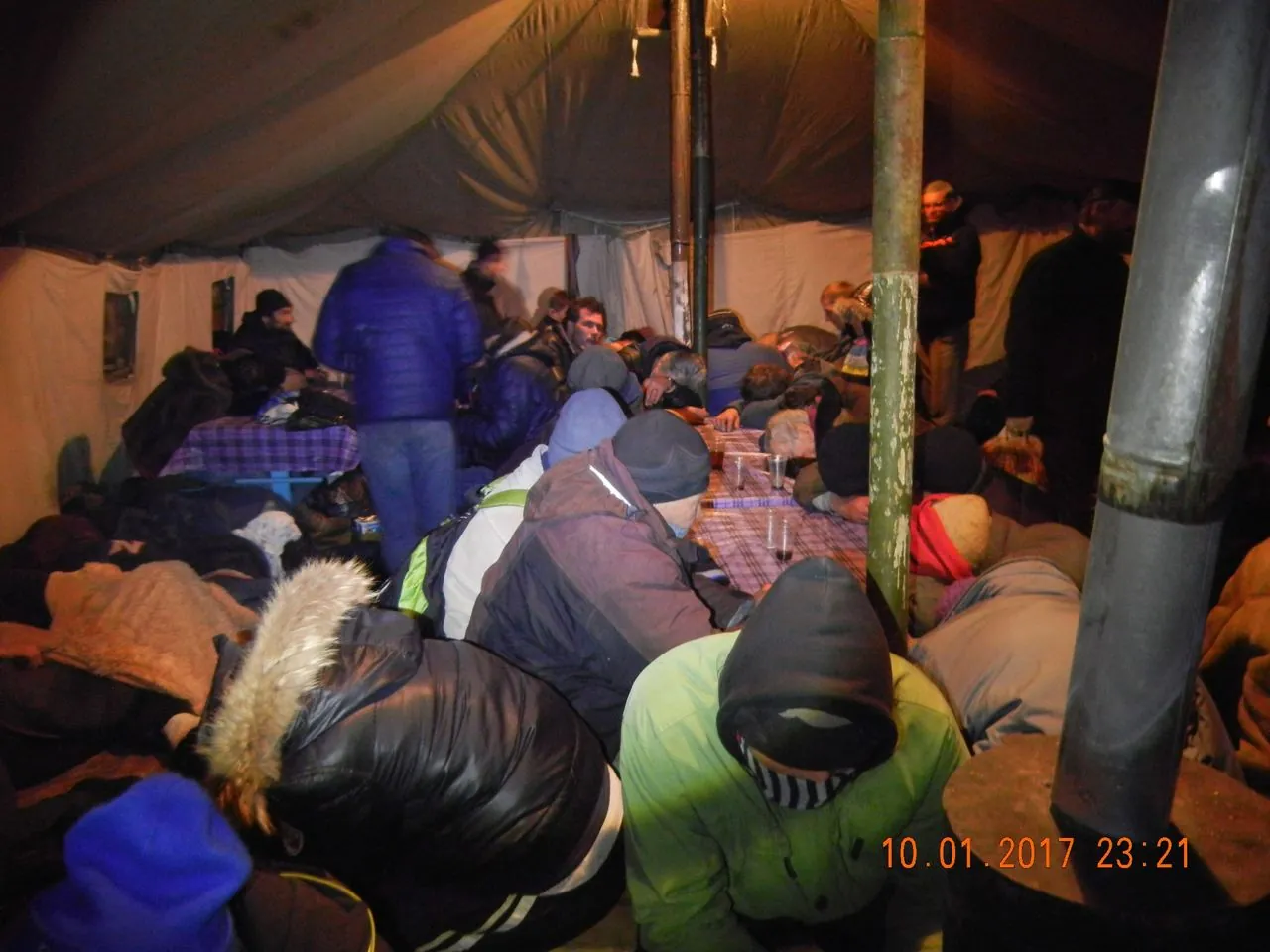
For five weeks staff members of our department, inspectors and volunteers took shifts staying and living in the tent around the clock together with people experiencing homelessness, sharing the same extreme conditions. About 20 people at a time could lie down inside; others waited for their turn to rest, warm up and sleep. People received hot meals and a place to rest, and water was heated for basic hygiene.
Caring residents of the city supported us by bringing warm clothing and food. Dozens of pairs of shoes and hygiene supplies were purchased and distributed. People were also transported from the tent to municipal shelters and social centers.
This was not a one-time action or a short-term distribution of aid. For five weeks we provided direct assistance while staying alongside these people in extreme conditions. The primary goal was to preserve life and health during severe frosts.
Assistance tent in a winter park.Hot meals.Conditions inside the tent.
Resting places were used in turns.Warm water for basic hygiene.
Ward No. 6 — dignified conditions for people without a home
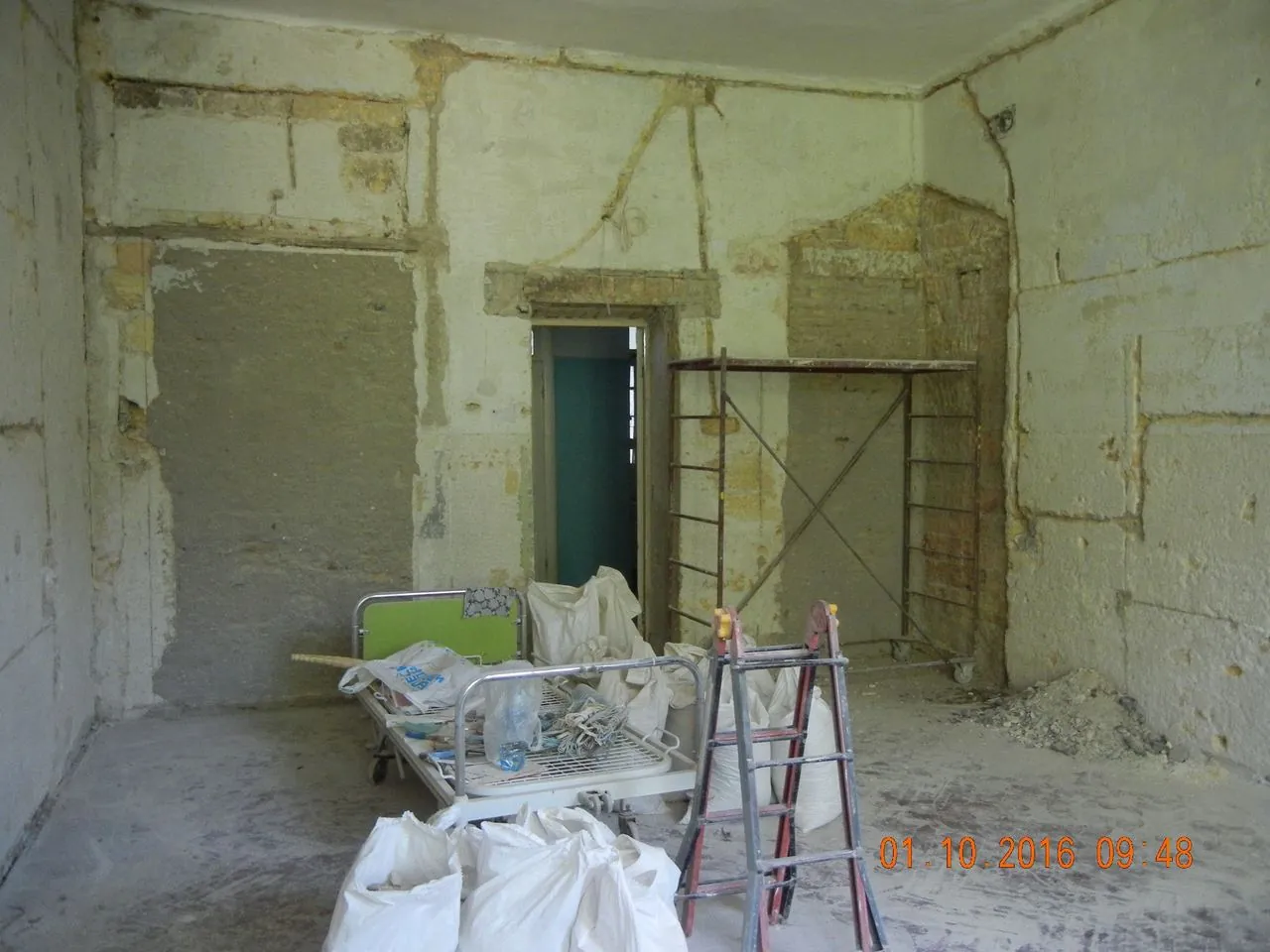
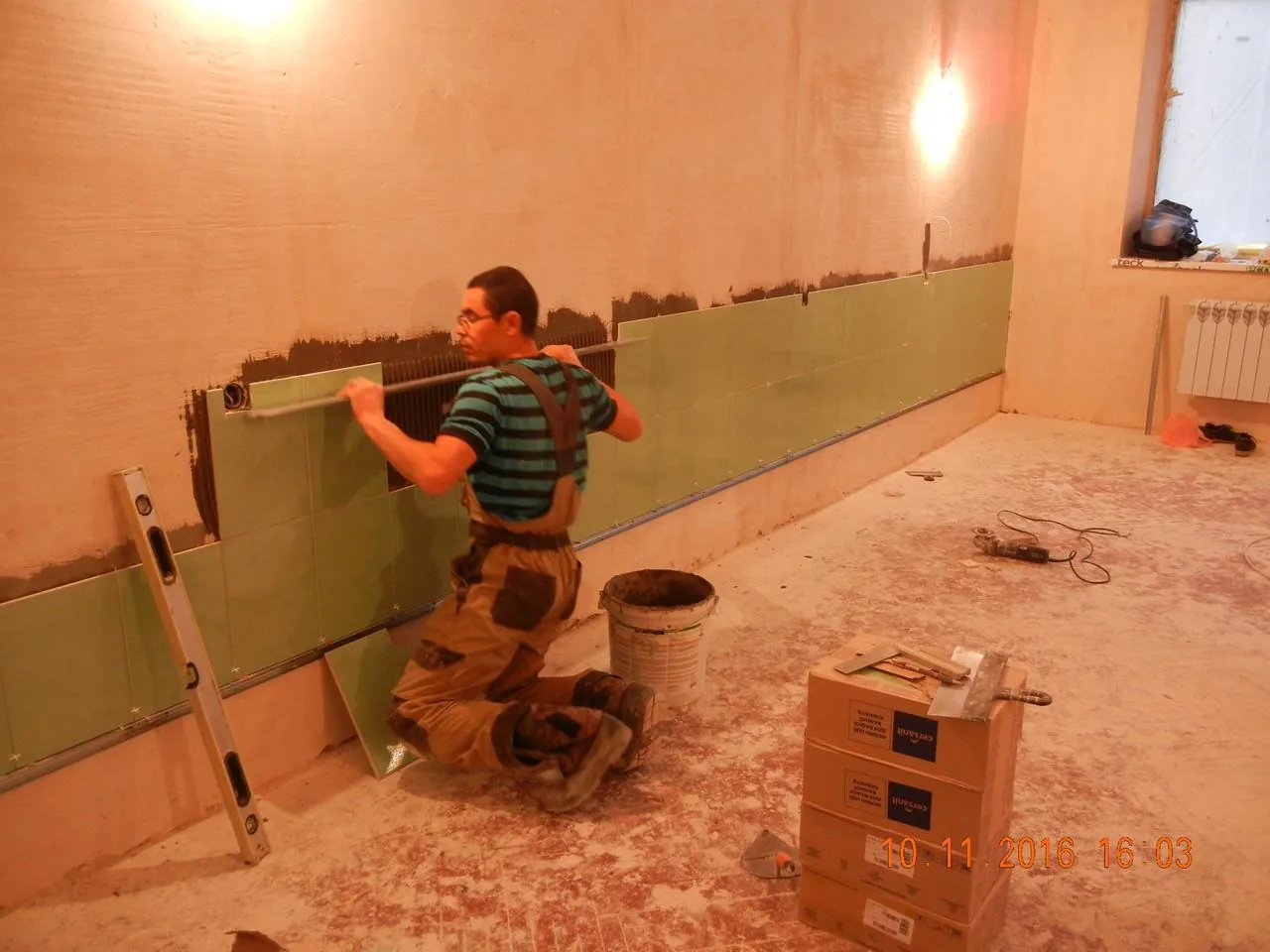
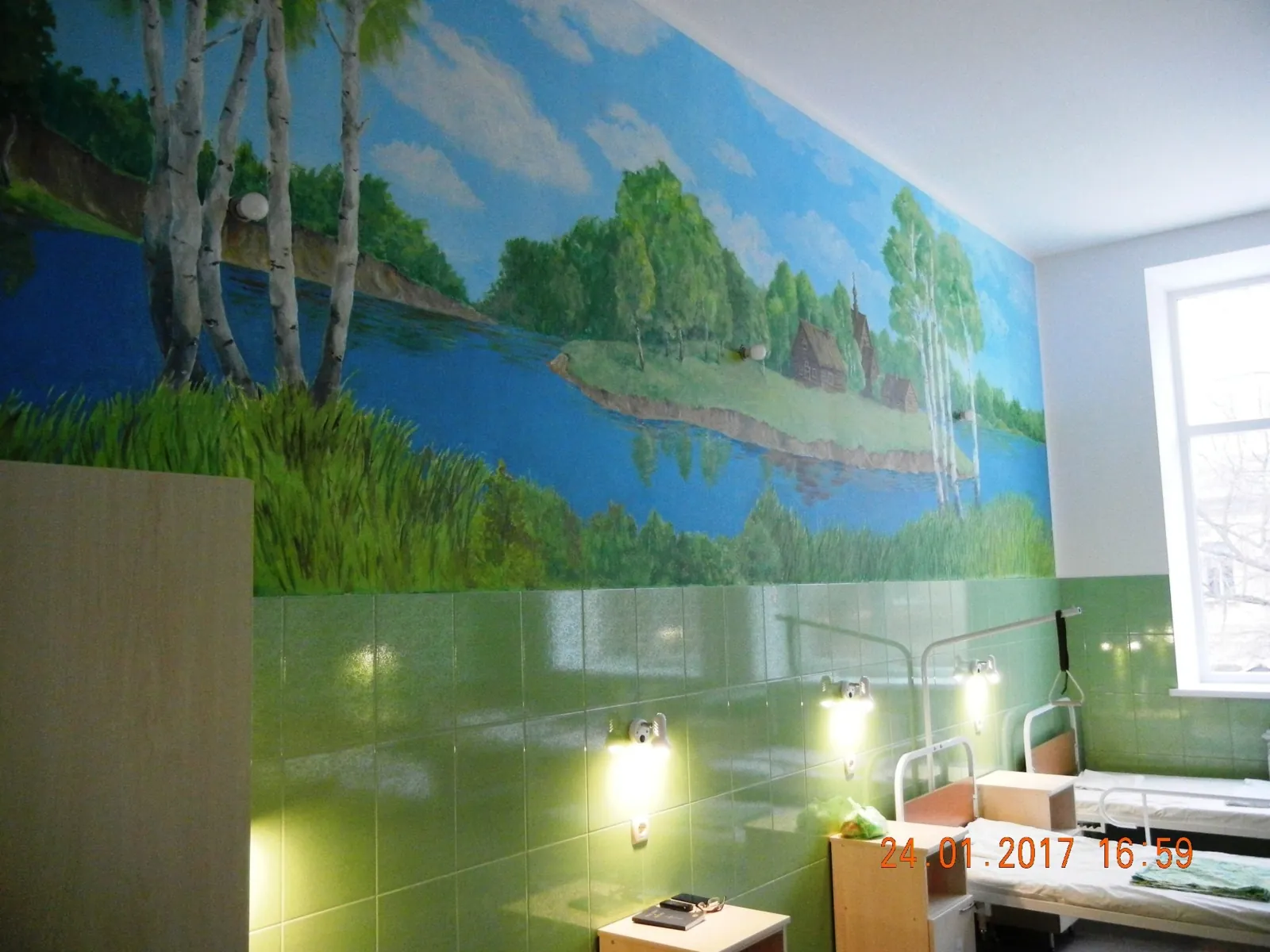
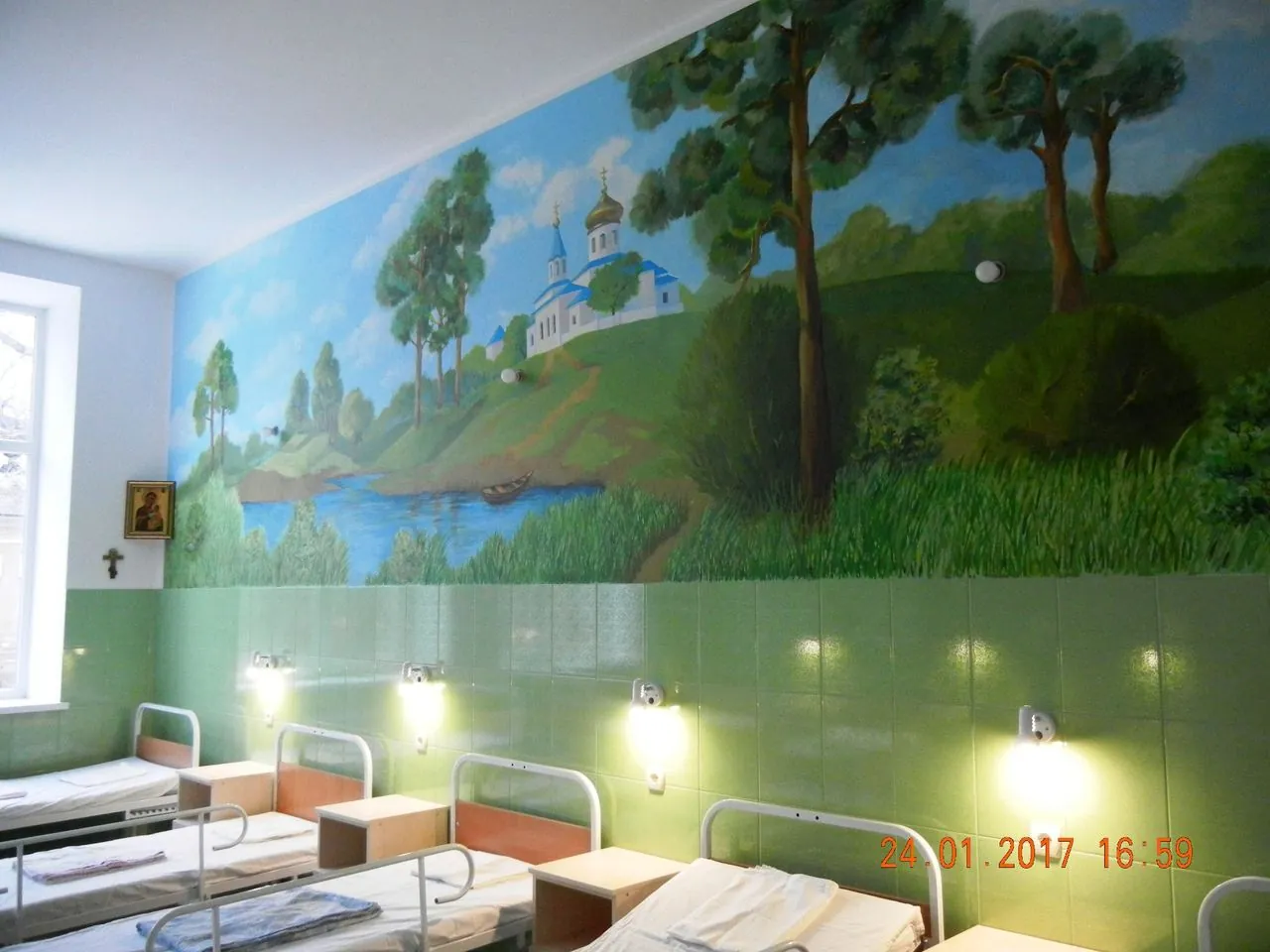
A large ward in the purulent surgery department of Odesa City Clinical Hospital No. 1 was allocated for people experiencing homelessness. By agreement with the department management, we began a major renovation so that people admitted from the streets could stay in modern, dignified conditions.
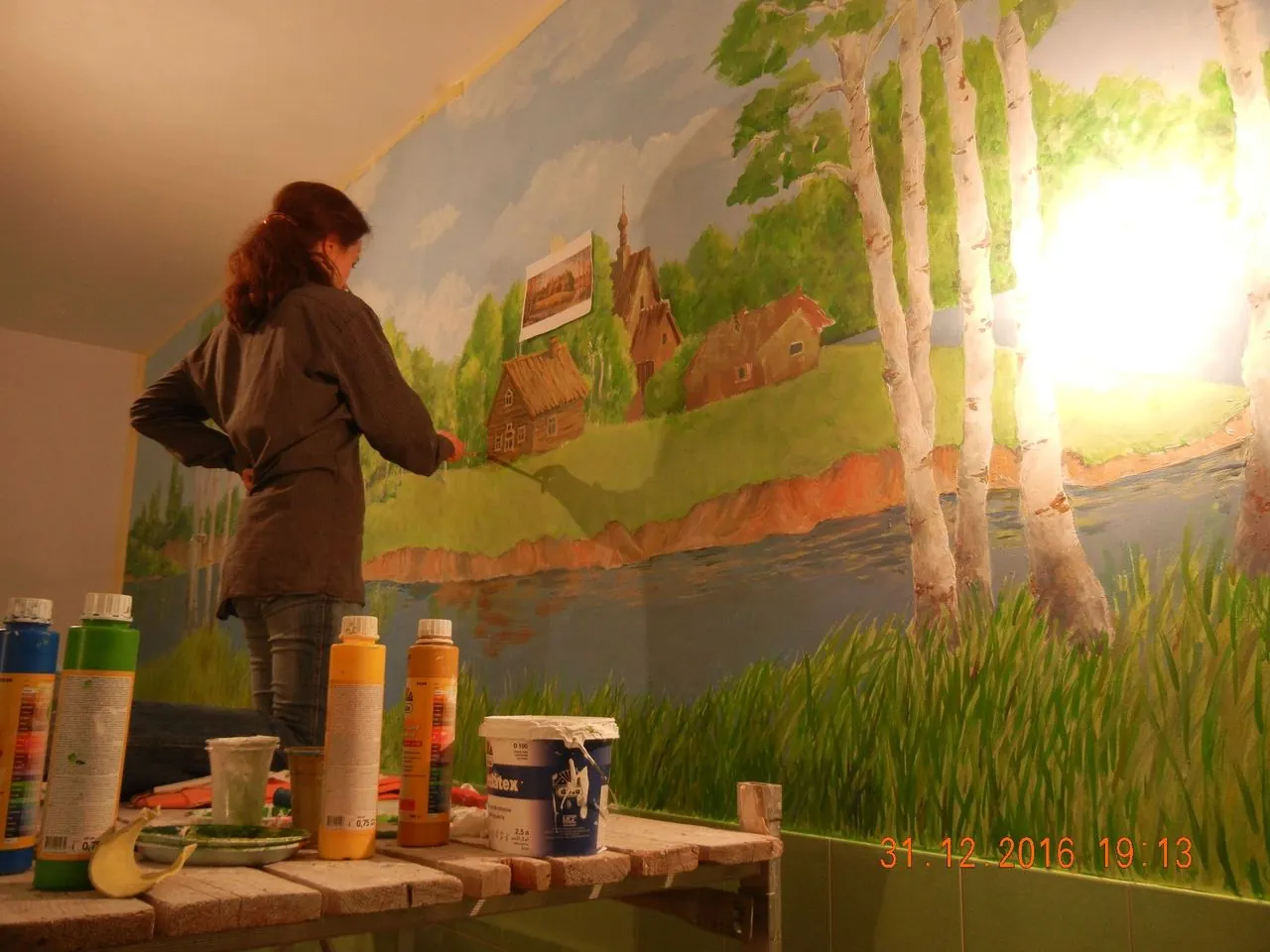
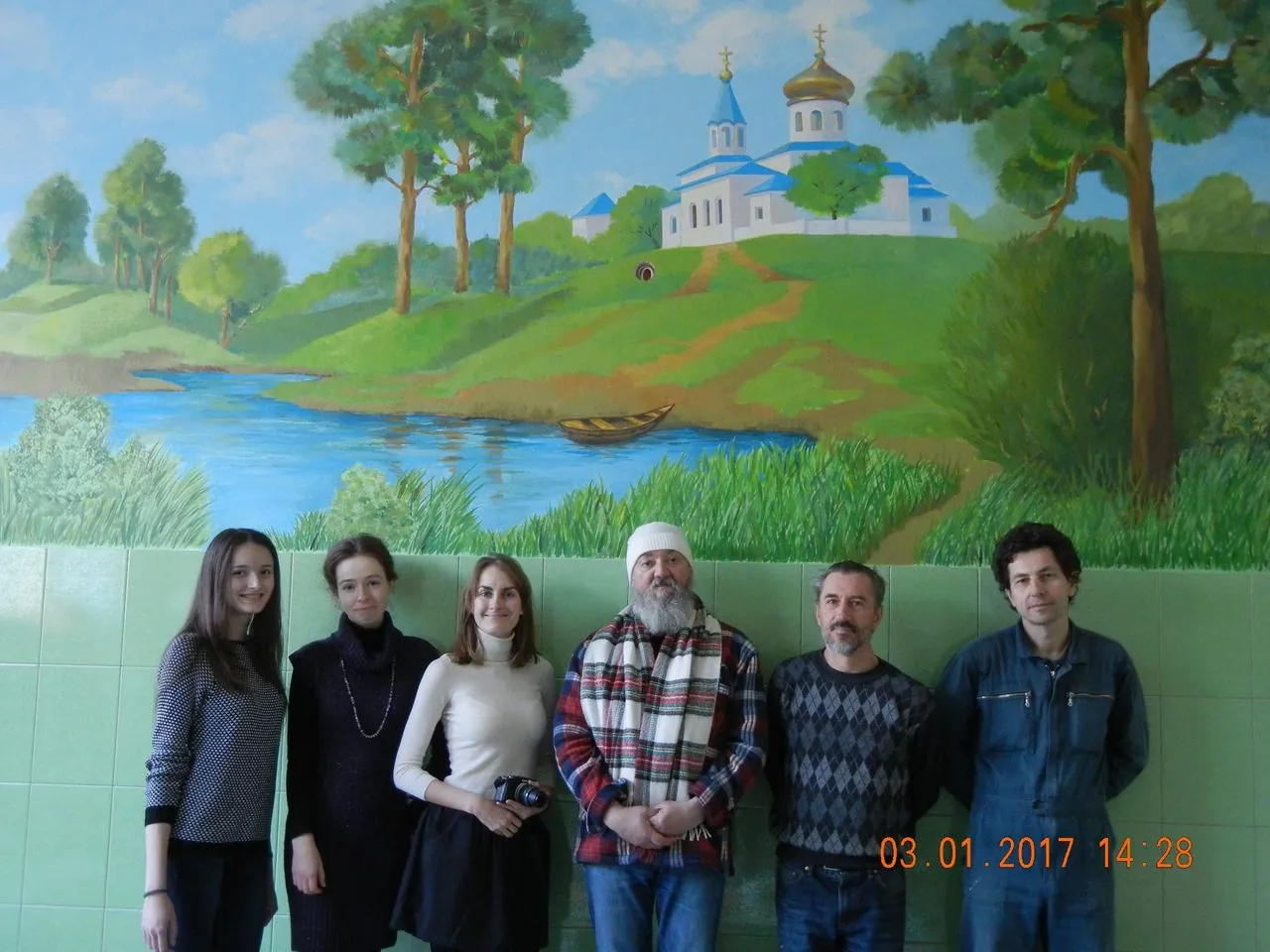
The windows and doors were fully replaced, new electrical wiring was installed, a new ceiling and heating system were fitted, industrial medical flooring was laid, and new beds and furniture were installed. At our request, a team of artists decorated two walls with large murals, each approximately 6 metres long and about 2 metres high.
When we began bringing people experiencing homelessness there, what stood out most was their surprise that such conditions had been created specifically for them. The ward operated for about two years and was destroyed in 2019 during a major renovation of the hospital. This experience strengthened our view that social facilities must not only be created but also structured so that the results of that work are protected from arbitrary destruction.
Start of the renovation of Ward No. 6.One stage of the renovation.Oleksandra working on the mural.Project participants in front of the mural.Ward No. 6 for people experiencing homelessness — left side.Ward No. 6 for people experiencing homelessness — right side.
Assistance to medical facilities, maternity hospitals and palliative care institutions
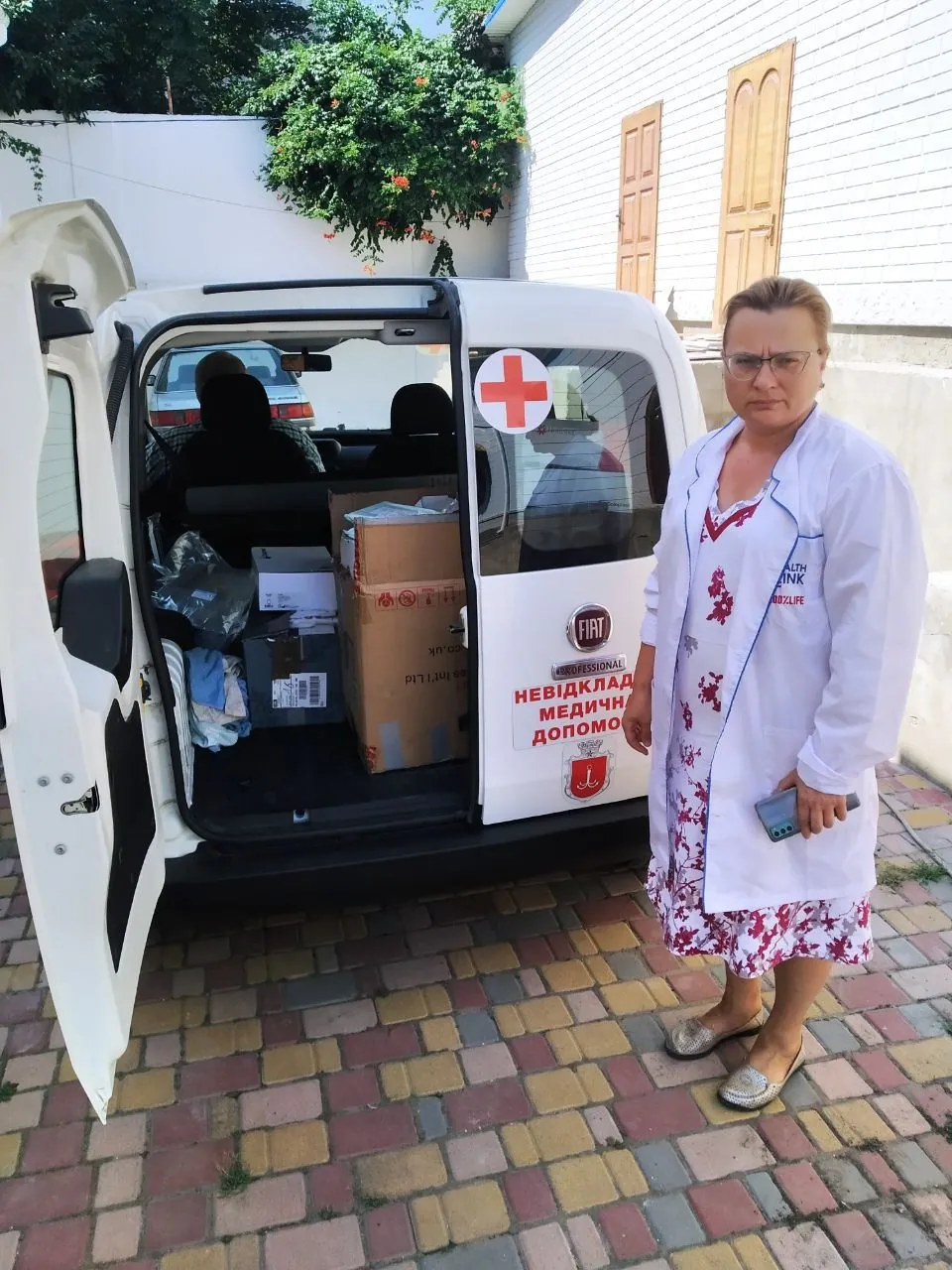
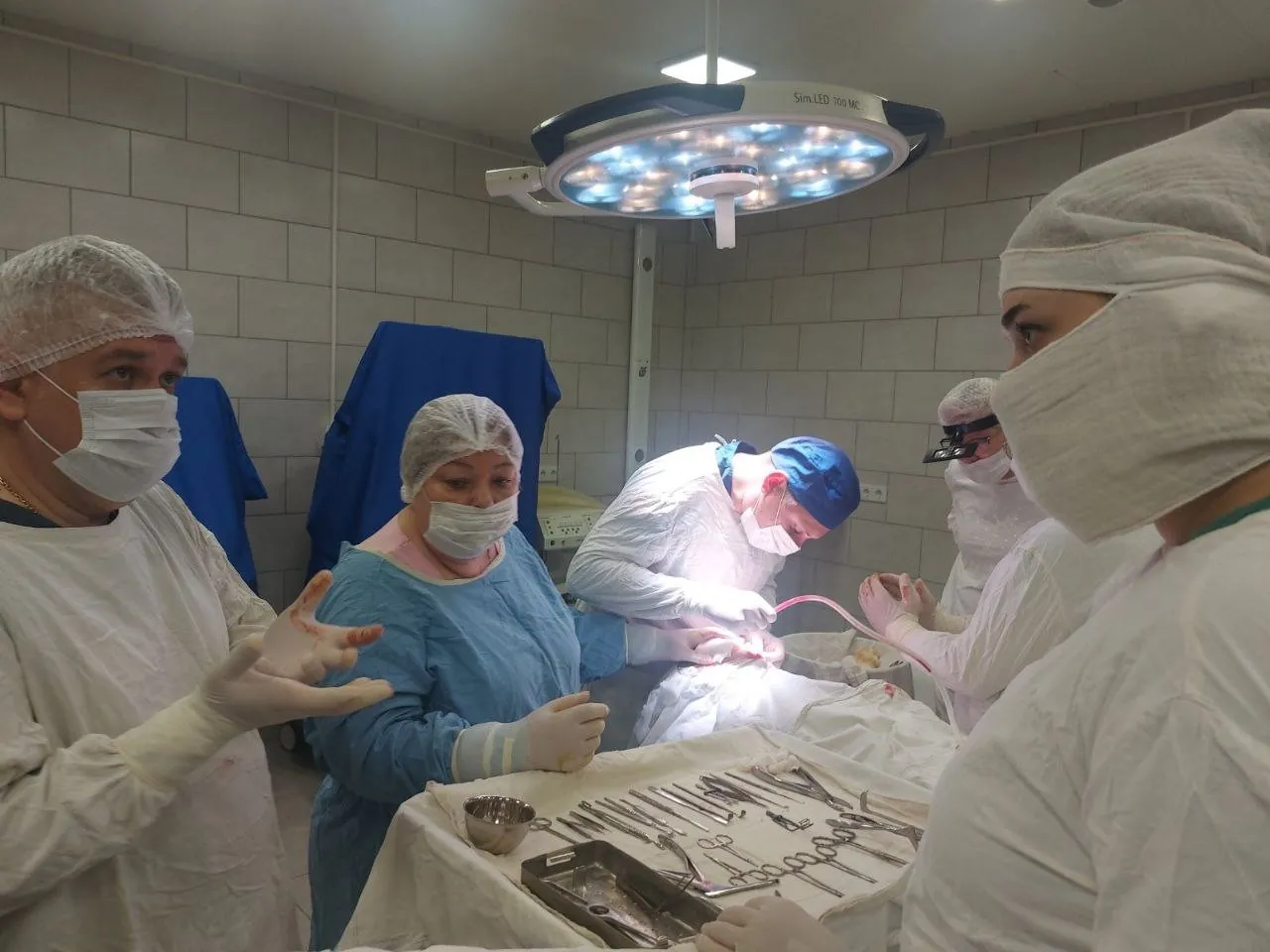
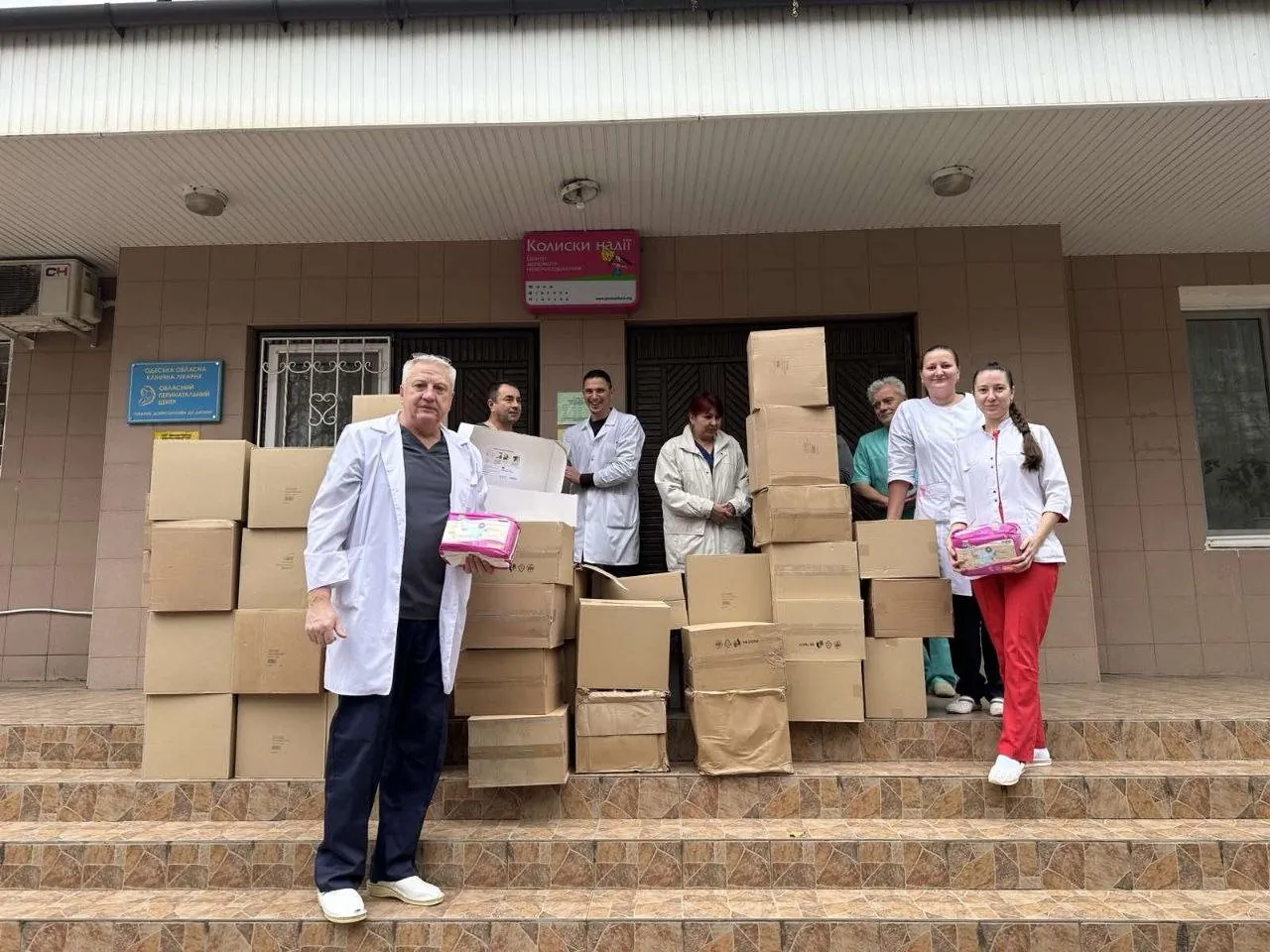
When we are able to identify and attract humanitarian medical supplies, we provide them to hospitals, clinics, maternity hospitals, palliative care institutions and other specialized facilities according to specific needs and available resources.
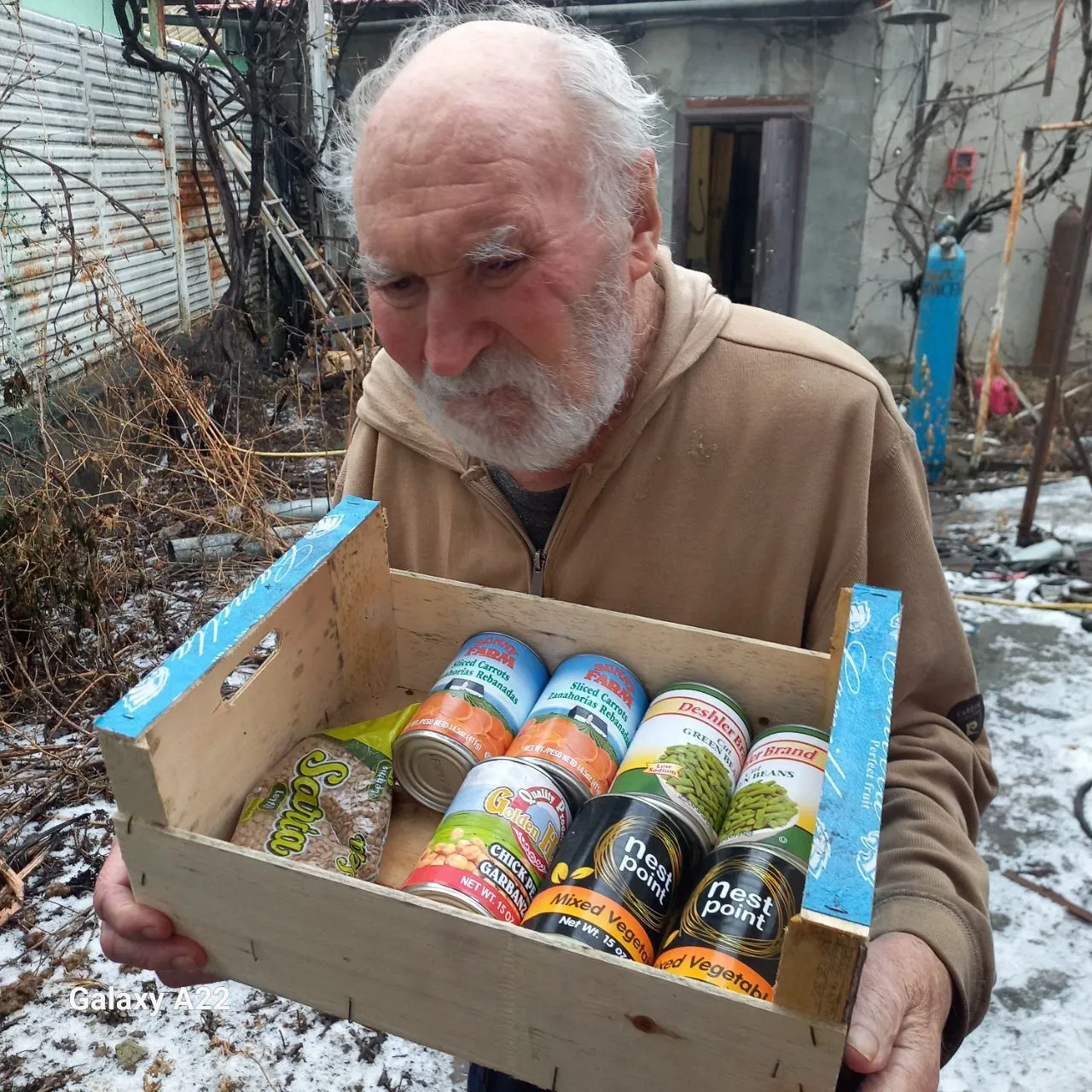
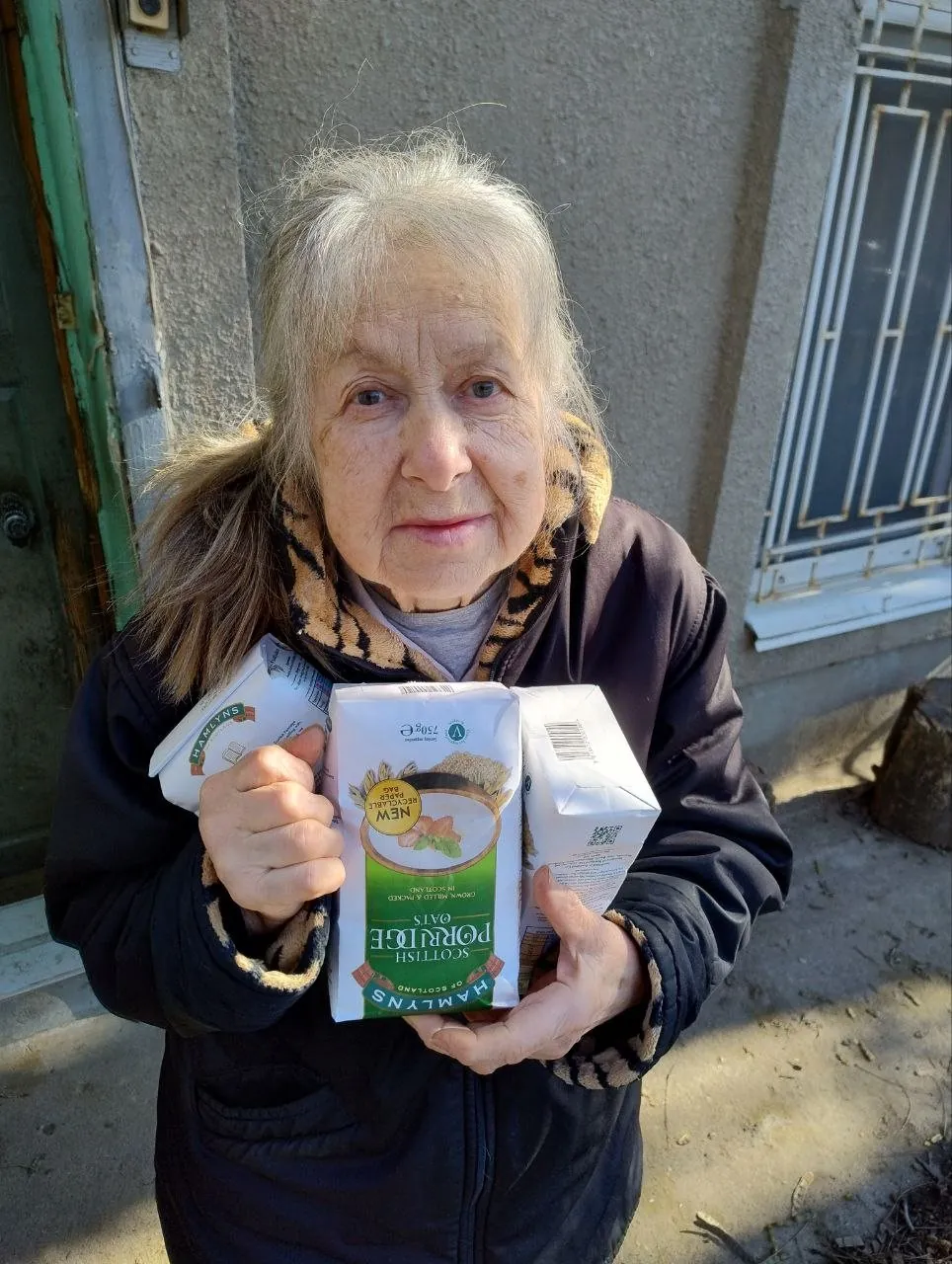
Individual social and humanitarian assistance
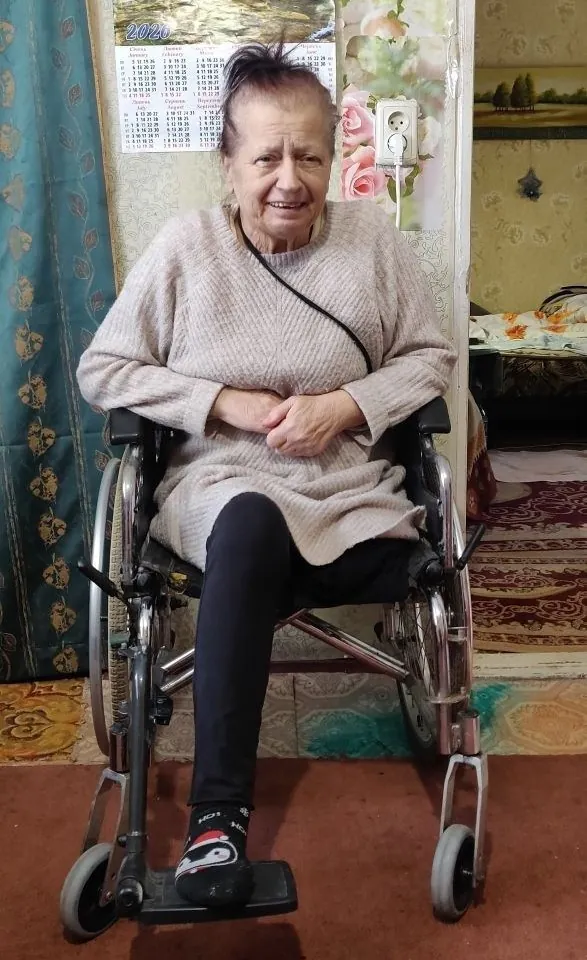
The number of people under our support varies and at different times is approximately 120 to 180 people. These are people facing severe social, economic and financial hardship, including those whose formal status does not qualify them for state assistance programs.
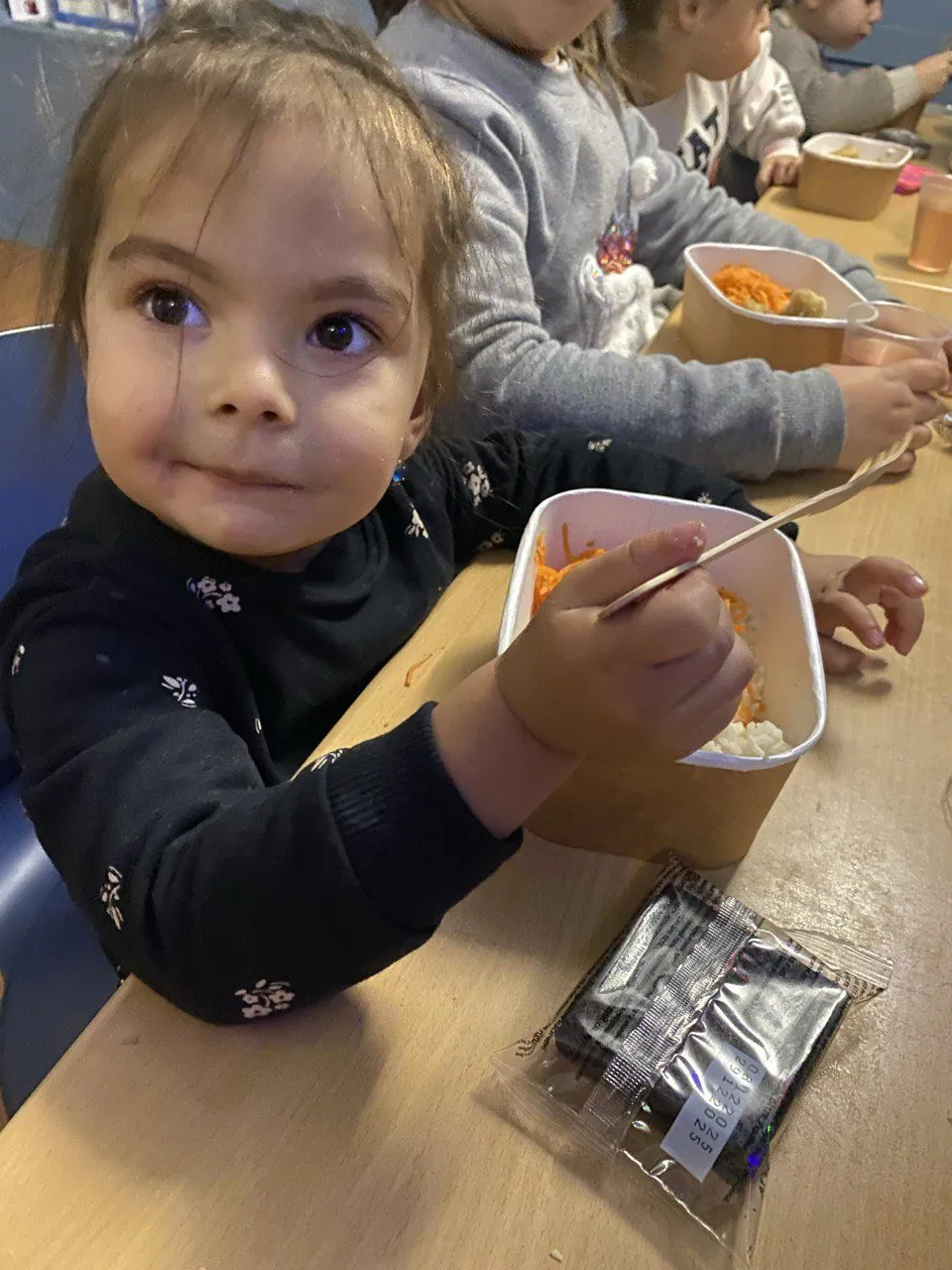
Regular meals for people experiencing homelessness and people with low incomes
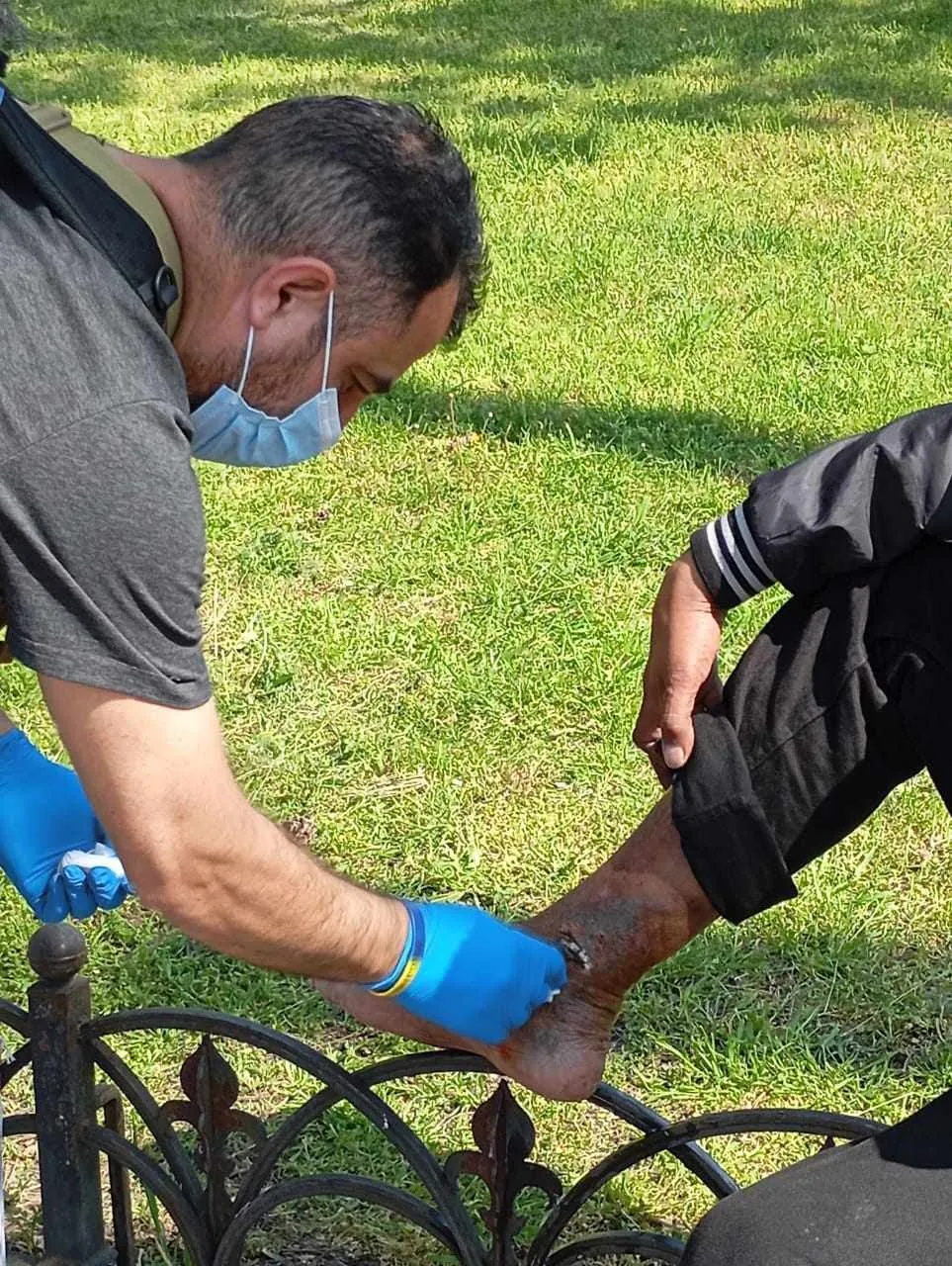
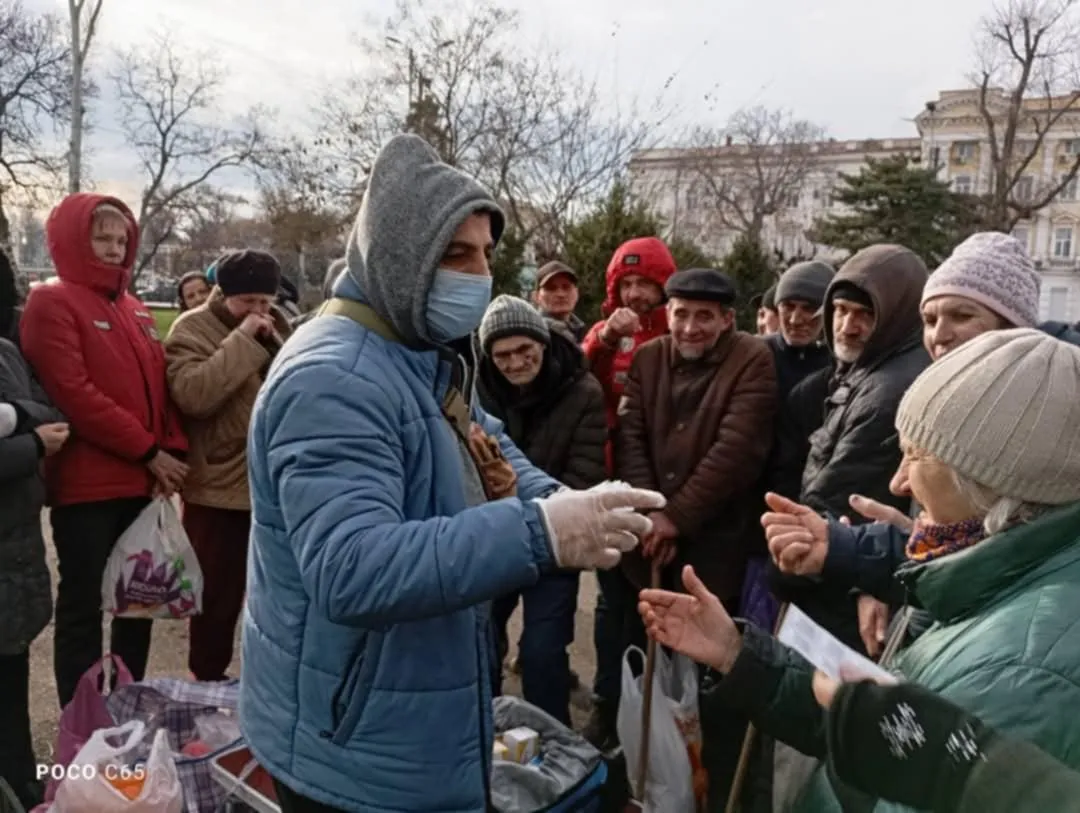
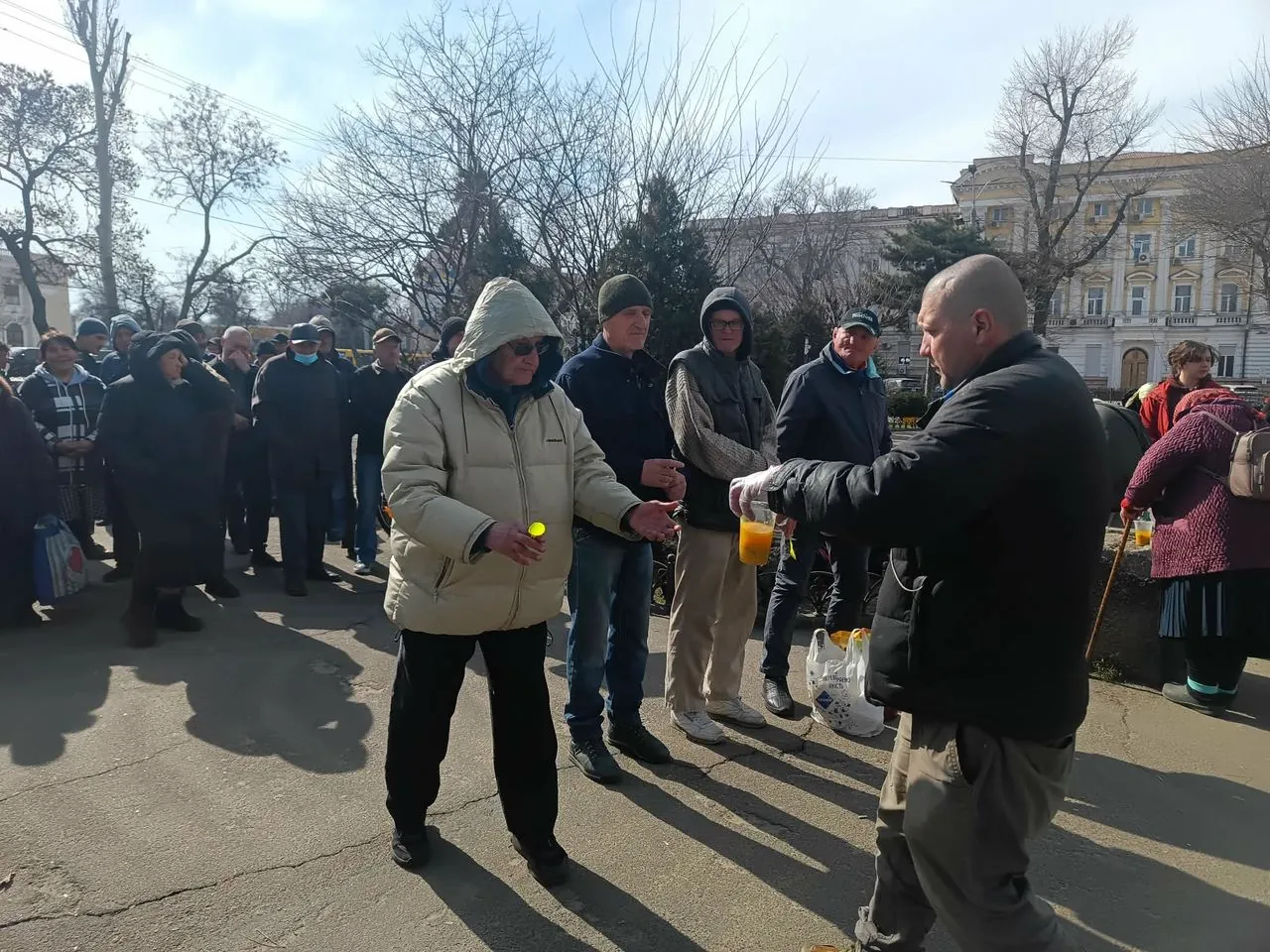
Human rights inspector Tamirlan Banura has for many years organized free hot meals on Sundays near the railway station square. Depending on the season, assistance is provided to approximately 60 to 150 people; essential items are also distributed when possible, and first aid is provided.
Assistance to children and the “MRIYA” Family Center
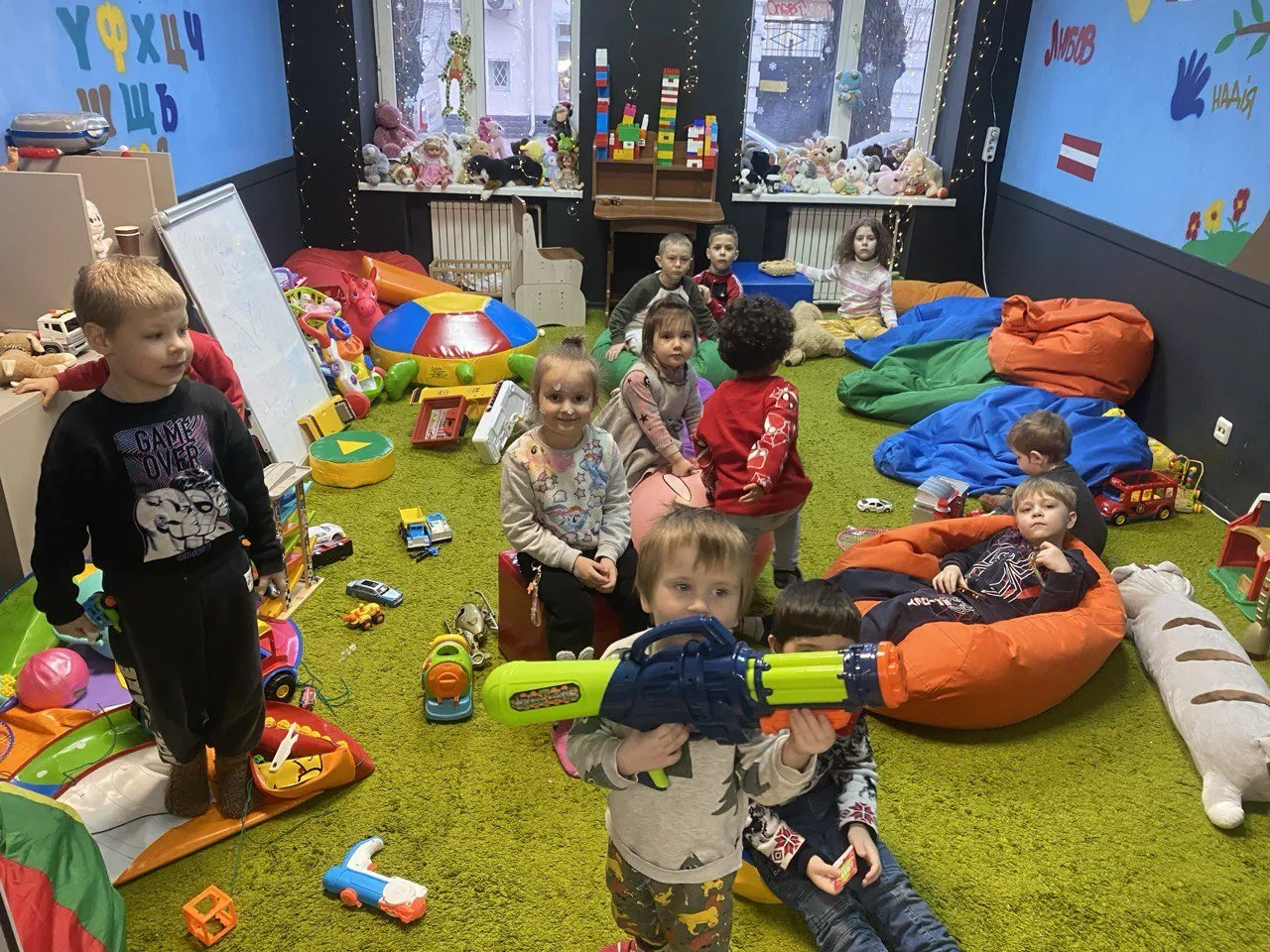
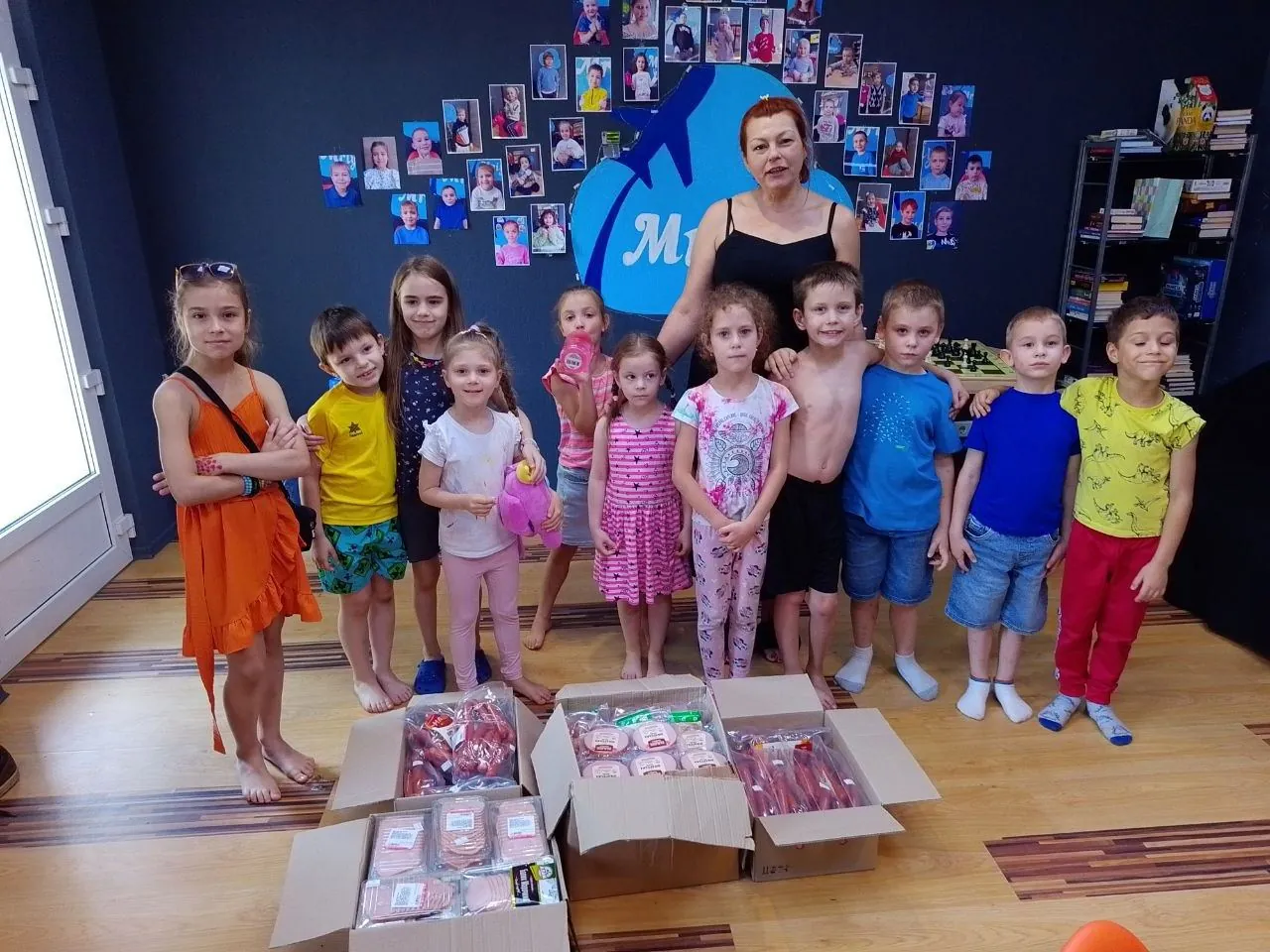
A special focus is support for children from low-income and large families, children with disabilities, children from single-parent families, children of refugees and internally displaced people, and children whose father or another close relative was killed or went missing at the front. One ongoing area of work is support for the “MRIYA” Family Center in Odesa.
Transport and accompaniment
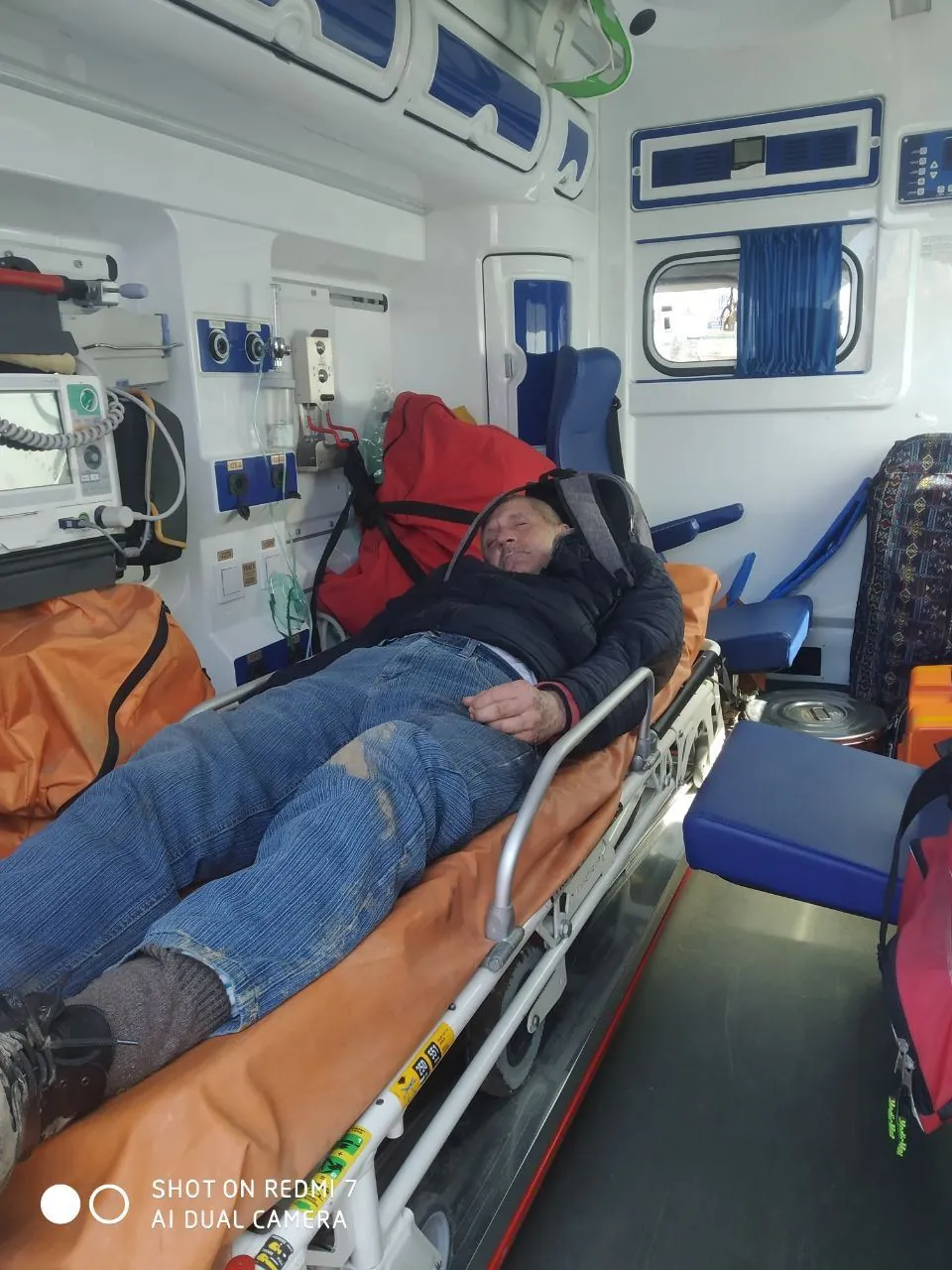
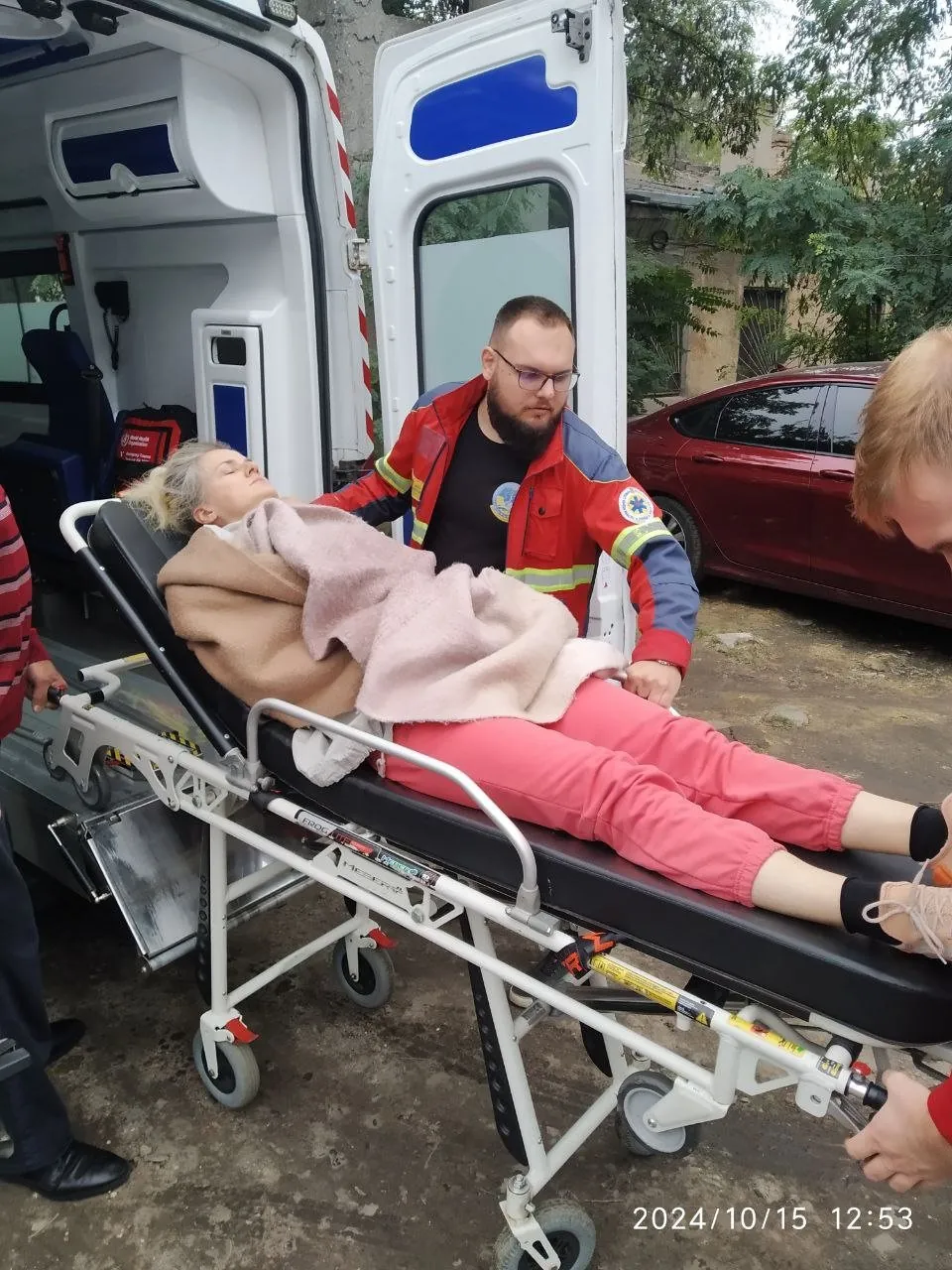
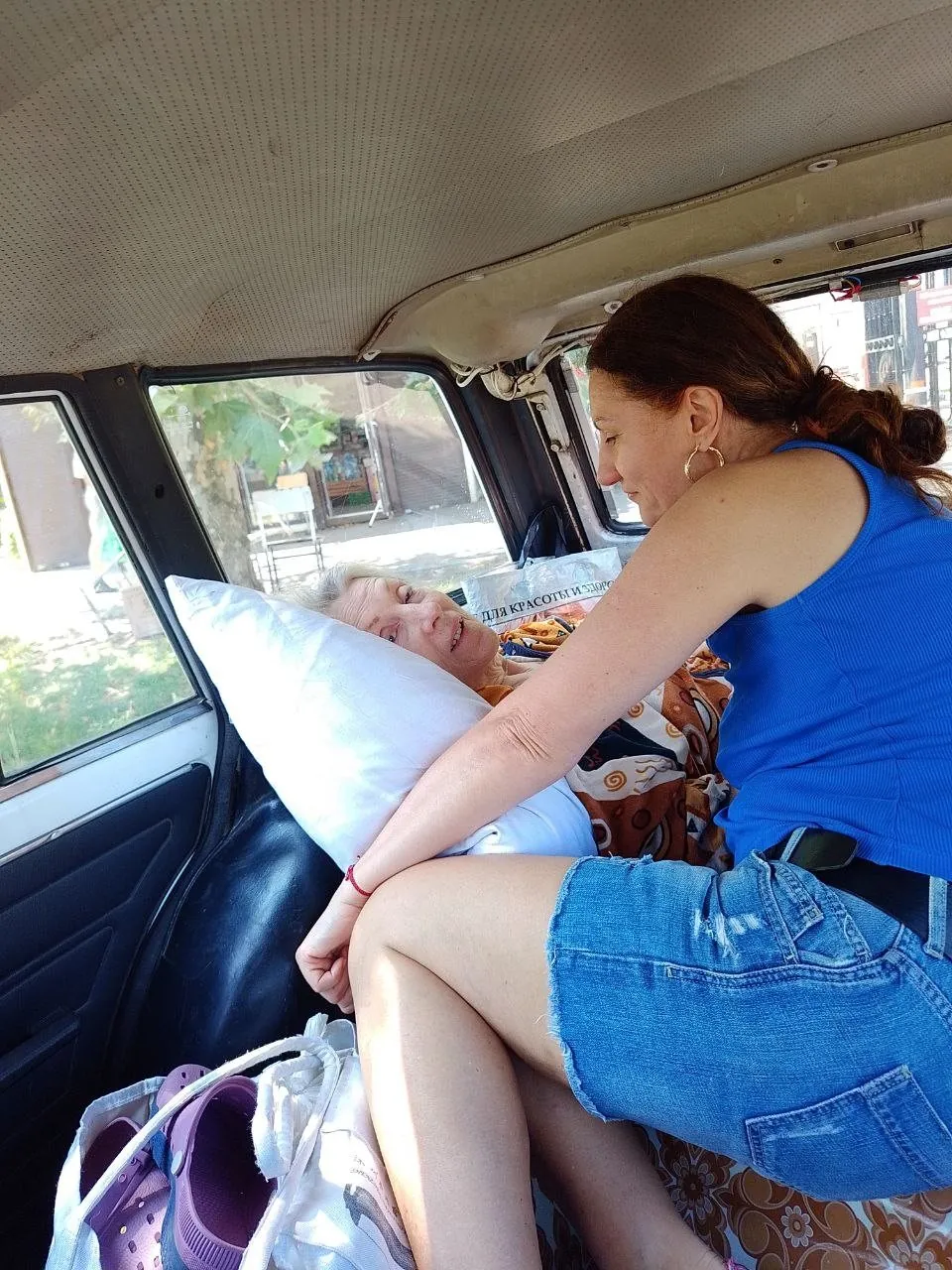
Within our capabilities, we help transport sick, older and mobility-impaired people to medical and social institutions and accompany people in difficult life situations.
International cooperation with volunteers
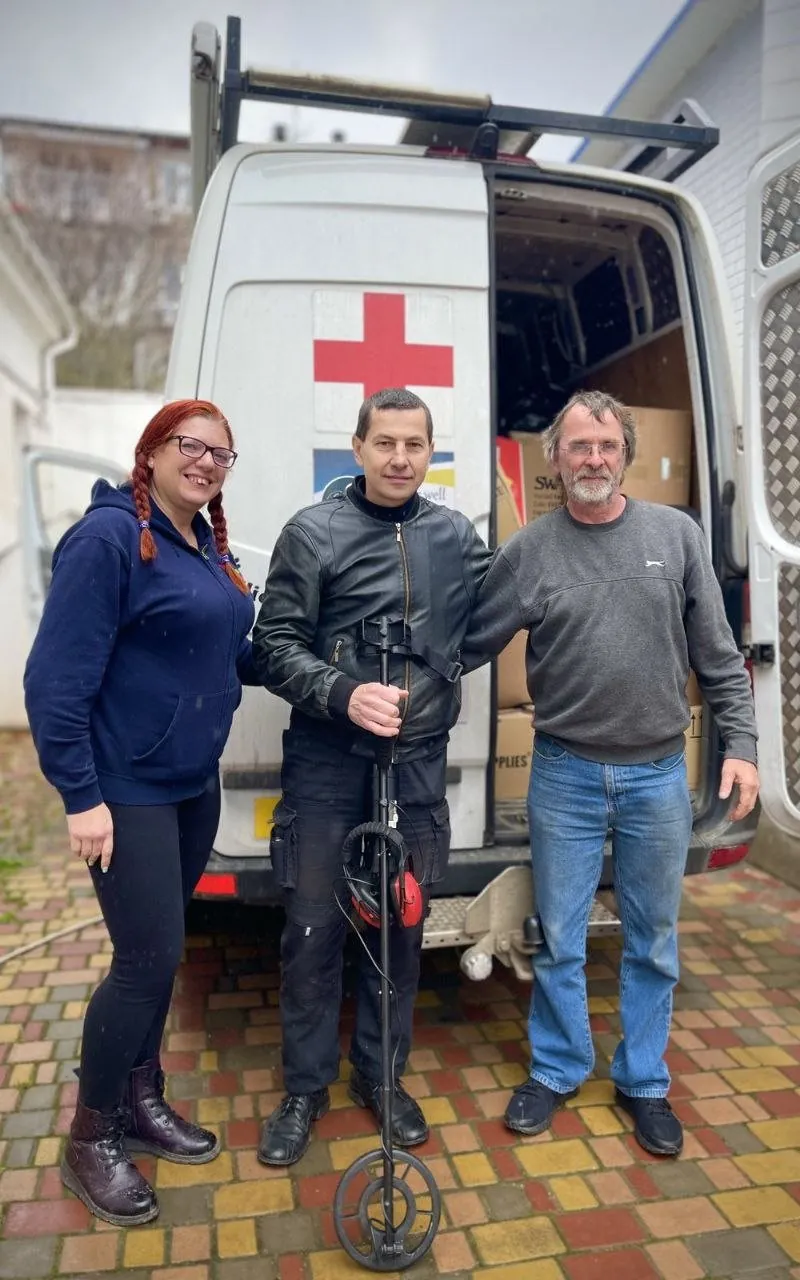
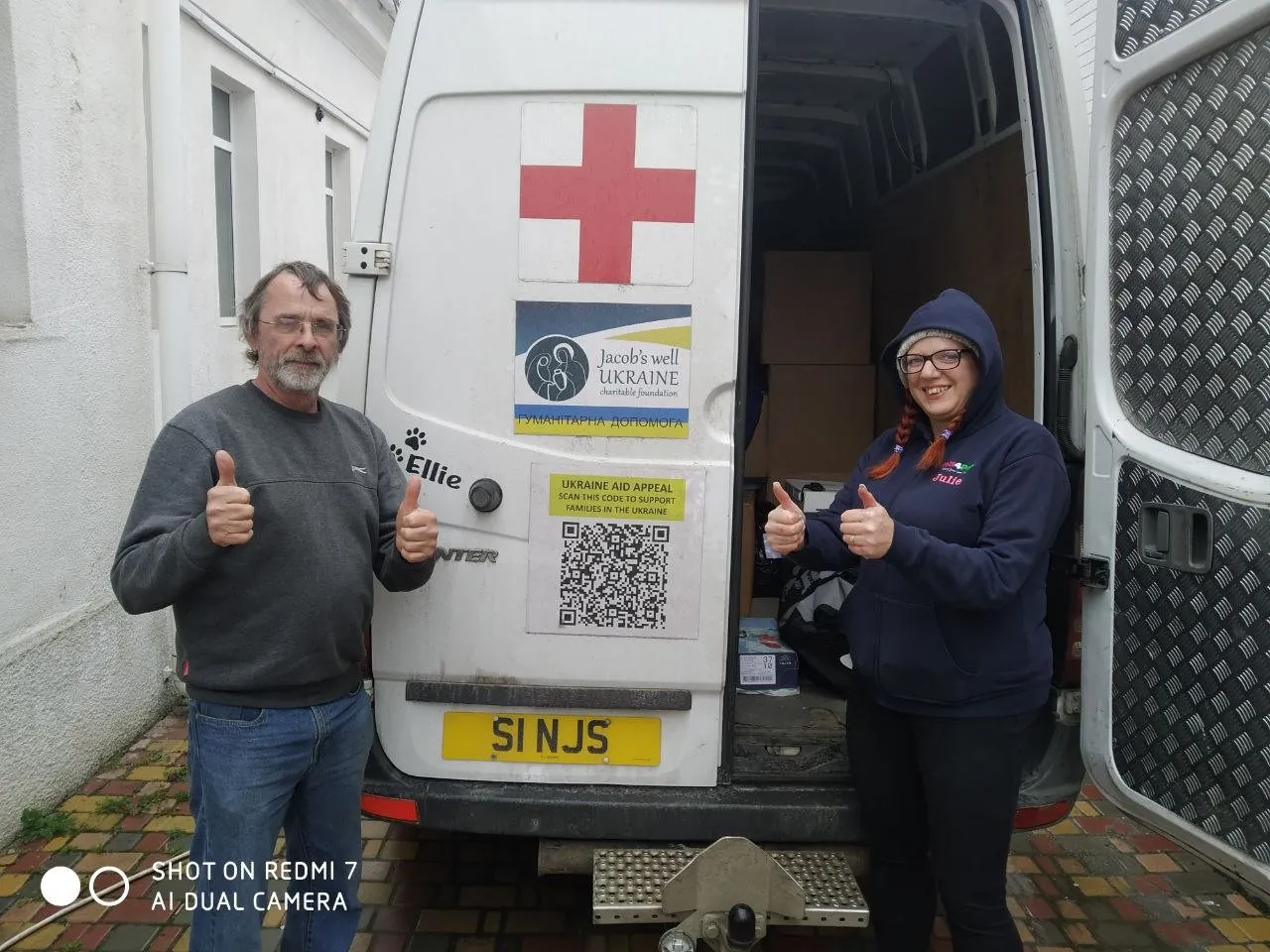
Cooperation with volunteers from other countries plays an important role in our work. One example is the support provided by volunteers Julia and Nick from the United Kingdom, who travelled a long distance to Odesa bringing humanitarian aid to support people in Ukraine.
2025 in figures
3 723people received planned fixed humanitarian assistance directly
427people received humanitarian assistance under internal transfer records
≈300additional assistance cases during the year were not formally documented
50–110people receive free hot meals each week; approximately 3,640 visits over the year
76legal entities received humanitarian aid under transfer records
Food was delivered to the “MRIYA” Family Center four times a week. The center also received furniture, toys and clothing, and 12-volt emergency lighting was installed.
The figures are presented separately and are not added into a single total because some recipients and types of assistance may overlap.
Plans and projects
First Social Assistance Center in Odesa.
Large Volunteer Center.
Support and development of the “MRIYA” Family Center.
International humanitarian cooperation.
Photo and video archive
Years of civic and volunteer work have produced a photo and video archive containing thousands of items. Only a small thematic selection is published on the website so that it does not become an archive itself and remains fast to load, including on smartphones.
Requests to view additional archive material are considered individually through the “Contact us” section, with due regard for the privacy of people shown in photographs and videos.